Introduction: Understanding Low Sex Drive in Women
Low libido in women can be attributed to a constellation of factors, including hormonal fluctuations, stress, fatigue, relationship issues, and medical conditions. For instance, hormonal imbalances such as those related to menopause or thyroid disorders can significantly impact sexual desire. Additionally, psychological factors, including anxiety and depression, often play a substantial role, as they can affect both mental and physical aspects of sexual health. Studies indicate that stress and fatigue from daily life can diminish a woman’s libido, making it crucial to address emotional well-being alongside physical health (Source: Ariana Psyche).
The Science of Libido: How Vitamins Impact Sexual Desire
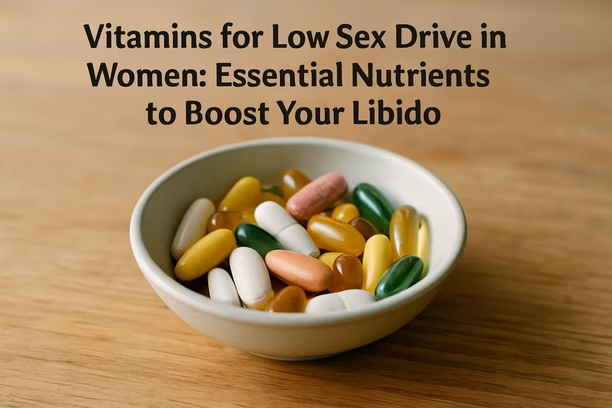
Vitamins and nutrients play a crucial role in supporting female libido, impacting overall sexual health through physiological effects. Here are some key nutrients linked to enhancing libido in women:
- Vitamin D: This vitamin is vital for hormonal balance and is associated with increased sexual arousal. Studies suggest that adequate levels of Vitamin D may positively influence sexual function and satisfaction by enhancing estrogen levels that affect libido [Source: PubMed].
- B Vitamins: The B-vitamin family, especially B6 and B12, is essential for energy production and stress regulation. These vitamins help maintain healthy hormone levels, which are crucial for libido. Vitamin B6, in particular, has been linked to the production of serotonin—a neurotransmitter that can enhance sexual desire and mood [Source: NCBI].
- Zinc: This essential mineral plays a critical role in hormone regulation, including testosterone production, which is vital for sexual desire in women as well. Low levels of zinc can lead to hormonal imbalances that negatively affect libido. Supplementation may enhance sexual function and arousal [Source: NCBI].
- Omega-3 Fatty Acids: These healthy fats are known to support circulation and may improve blood flow to sexual organs, potentially enhancing sensitivity and arousal. Omega-3s also play a role in mood stabilization, which can positively influence sexual desire [Source: NCBI].
- L-arginine: This amino acid is a precursor to nitric oxide, which aids in blood flow and improves sexual function. Increased blood flow can enhance lubrication and overall sexual responsiveness in women [Source: NCBI].
In addition to these nutrients, maintaining a balanced diet rich in fruits, vegetables, lean proteins, and healthy fats can further support sexual health and libido. For more on factors affecting sexual drive, you may explore the article on understanding low sex drive during illness.
Essential Vitamins for Boosting Sex Drive
Vitamin D is essential for maintaining overall health, and research suggests it plays a significant role in sexual desire and function. A study indicated that men with higher levels of Vitamin D reported better erectile function and higher libido. Deficiency in Vitamin D can lead to lowered testosterone levels, contributing to decreased sexual desire and reproductive issues. Ensuring adequate sun exposure and dietary intake can help maintain optimal levels of this vital nutrient [Source: NCIB].
B Vitamins, particularly B6, B9 (folate), and B12, are crucial for hormone regulation and maintaining energy levels, both of which are essential for healthy sexual function. B6 aids in the production of sex hormones, while folate can help increase libido by enhancing blood flow and improving mood by regulating serotonin levels. A study found that high levels of folate were associated with improved sexual function in both men and women [Source: PubMed].
Zinc plays a critical role in testosterone production and overall sexual health. Adequate zinc levels are linked to better sperm quality and sexual performance. A deficiency in zinc can result in diminished libido and fertility issues, making it vital for sexual wellness [Source: Oxford Academic]. Increasing zinc intake through foods like oysters, red meat, and legumes can support sexual health and improve desire.
For further insights into how various health factors influence libido, you can visit our article on understanding low sex drive.
Nutritional Deficiencies and Their Role in Libido
Nutritional deficiencies can significantly influence sex drive, particularly in women. Deficiencies in essential vitamins and minerals, such as vitamin D, zinc, and certain B vitamins, have been linked to decreased libido and overall sexual health.
- Vitamin D: Low levels of vitamin D are associated with hormonal imbalances that can lead to reduced libido. A study highlighted that women with adequate vitamin D levels reported better sexual functioning compared to those with deficiencies [Source: NCBI].
- Zinc: This mineral plays a crucial role in testosterone production, which is vital for sexual desire in women. Insufficient zinc levels can lead to lower testosterone, resulting in diminished sexual interest. Regular consumption of zinc-rich foods, such as nuts, seeds, and whole grains, can help maintain adequate levels [Source: NCBI].
- B Vitamins: B vitamins, especially B6 and B12, are necessary for energy production and hormonal balance. Low levels can lead to fatigue and stress, both of which can negatively affect sex drive. Women are encouraged to include sources of these vitamins, such as fish, poultry, and leafy greens, in their diets [Source: NCBI].
To address these nutritional gaps effectively, women should consider a balanced diet rich in fruits, vegetables, whole grains, and lean proteins. Supplements may also be beneficial but should be discussed with a healthcare provider first. Regular health check-ups can aid in monitoring Vitamin D and mineral levels, ensuring optimal health and enhanced libido.
Natural Approaches to Enhance Libido: Beyond Vitamins
A holistic approach to enhancing women’s sex drive involves integrating several lifestyle changes, emphasizing diet, exercise, and mindfulness practices.
Dietary Adjustments: Consuming a balanced diet rich in fruits, vegetables, whole grains, and healthy fats can have a significant impact on libido. Foods high in antioxidants, like berries and nuts, contribute to improved circulation, which is essential for sexual arousal. Incorporating omega-3 fatty acids found in fish can also promote brain health and hormone regulation. Hydration is crucial; dehydration can diminish energy levels and sexual desire.
Regular Exercise: Engaging in regular physical activity enhances overall well-being and boosts libido. Exercise increases blood flow, which can enhance sexual arousal, and promotes the release of endorphins that improve mood. Activities such as yoga and Pilates not only strengthen the core muscles but also increase flexibility, which can lead to a more satisfying sexual experience. High-intensity workouts can further elevate energy levels and self-esteem, both of which are beneficial for a healthy sex drive.
Mindfulness Practices: Mindfulness and relaxation techniques, such as meditation and deep-breathing exercises, help reduce stress and anxiety, which are often detrimental to libido. Practicing mindfulness can heighten body awareness and increase sexual pleasure. Additionally, engaging in activities like guided imagery or yoga helps cultivate a deeper connection with one’s body and fosters a more positive attitude towards sex and intimacy.
Implementing these holistic methods can support not only sexual health but general well-being. For further insights, explore how libido can be affected by illness in our article on understanding low sex drive and explore why libido drops during illness.
Sources
- Oxford Academic – Zinc’s Role in Sexual Health
- NCIB – Vitamin D and Sexual Function
- NCBI – Zinc Levels and Sexual Desire
- NCBI – B Vitamins and Libido
- NCBI – L-arginine for Sexual Function
- NCBI – Omega-3 Fatty Acids and Mood
- PubMed – Folate and Sexual Function
- PubMed – Vitamin D and Sexual Arousal
- Ariana Psyche – Understanding Low Sex Drive