Introduction to Libido and Its Importance
Libido, or sexual desire, plays a crucial role in personal well-being and overall health. It is linked not only to physical health but also to emotional and psychological wellness. A healthy libido can enhance intimate relationships, promote connection and bonding between partners, and even serve as an indicator of one’s overall health status.
Research suggests that sexual desire significantly influences relationship satisfaction. Couples who maintain an active and fulfilling sexual life tend to experience stronger emotional connections and communication, reducing the likelihood of conflicts and promoting intimacy [Source: National Institutes of Health]. Furthermore, libido can be affected by various factors including stress, hormonal changes, medications, and lifestyle choices, which can impact not just the individual, but their relationship dynamics as well [Source: Psychology Today].
In essence, understanding and nurturing libido is vital for maintaining not only individual health but also satisfying and healthy relationships. It serves as an essential element in fostering emotional intimacy and mutual satisfaction. Insights into various factors affecting libido can help individuals and couples better navigate their sexual health and relationship satisfaction, as discussed in articles like Understanding Low Sex Drive When Sick.
Common Vitamins Linked to Sex Drive
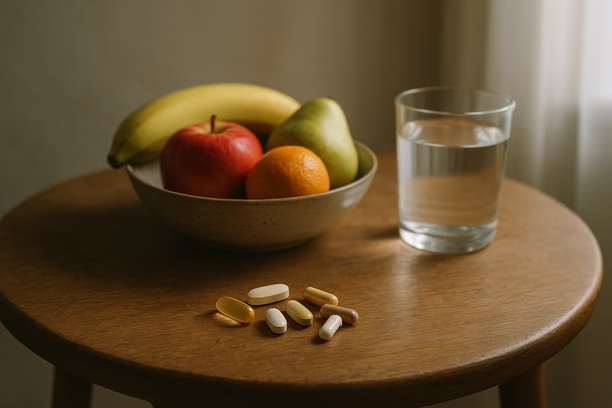
Vitamins play a significant role in sexual health, with certain nutrients linked closely to libido enhancement. Vitamin D, for instance, is crucial as it is associated with testosterone levels and overall hormonal balance. Studies indicate that adequate levels of Vitamin D may enhance libido and improve sexual function in both men and women [Source: Healthline].
B vitamins, particularly B6, B9 (folate), and B12, are also essential for sexual health. These vitamins contribute to the production of neurotransmitters like dopamine, which can influence libido. Low levels of these vitamins have been associated with reduced sexual desire and arousal [Source: NCBI].
Zinc, a critical mineral for both male and female sexual health, is crucial for testosterone production and the maintenance of healthy sperm. Research has shown that zinc supplementation can help improve libido, especially in those with a deficiency [Source: NCBI].
How Deficiencies Impact Libido
Deficiencies in essential vitamins and minerals can significantly hinder sexual desire through various physiological processes. Research indicates that vitamins play crucial roles in hormonal regulation, nerve function, and overall sexual health.
- Vitamin D: Low levels of vitamin D have been linked to reduced libido. Vitamin D modulates sex hormones, including testosterone, which is vital for sexual desire in both men and women. A deficiency may contribute to lower testosterone levels, which can adversely affect sexual function and interest [Source: National Institutes of Health].
- Vitamin B6: This vitamin is essential for the synthesis of neurotransmitters that impact mood and desire, such as serotonin and dopamine. Insufficient vitamin B6 can lead to mood disturbances, which may suppress sexual desire [Source: NIH].
- Zinc: Zinc is critical for testosterone production and overall sexual health. A deficiency can impair testosterone levels, negatively impacting libido. Studies have shown that low zinc levels are associated with sexual dysfunction in men and women [Source: NIH].
Maintaining adequate levels of these essential nutrients is vital for promoting a healthy libido and optimizing sexual health. For a deeper understanding of how illness impacts sexual desire, check out our article on understanding low sex drive when sick.
Signs of Vitamin Deficiency
Certain nutrient deficiencies can significantly impact sex drive. Here are key indicators that may suggest your libido issues could be nutritionally related:
- Zinc Deficiency: Zinc plays a crucial role in testosterone production, which is essential for maintaining libido. Symptoms of a deficiency may include low energy, decreased mood, and lack of sexual desire. Foods rich in zinc, such as oysters, beef, and pumpkin seeds, can help counteract this deficiency [Source: National Institutes of Health].
- Vitamin D Deficiency: Adequate levels of Vitamin D are important for sexual health. Low levels have been associated with reduced testosterone levels and libido in men and women. Sunshine is a natural source, but for those unable to get enough, fortified foods and supplements are alternatives [Source: National Institutes of Health].
- Magnesium Deficiency: Magnesium influences various bodily functions, including hormonal balance. A lack of magnesium can lead to symptoms like fatigue and irritability, potentially impacting libido. Incorporating foods like leafy greens, nuts, and whole grains can help boost magnesium levels [Source: National Institutes of Health].
- Omega-3 Fatty Acids: Omega-3s support reproductive health by improving blood flow and reducing inflammation. An imbalance can lead to hormonal issues that affect libido. Sources include fatty fish, flaxseeds, and walnuts [Source: National Institutes of Health].
- B Vitamins: The B vitamin group, particularly B12 and B6, support energy levels and mood, both essential for a healthy libido. Deficiencies may result in lethargy and mood swings, which can hinder sexual desire. Foods like eggs, dairy, and legumes are excellent sources [Source: National Institutes of Health].
Recognizing symptoms of these deficiencies can help you address potential nutritional causes underlying low sex drive and guide dietary adjustments. For more insights on overcoming low libido during illness, check out this article on understanding low sex drive.
Ways to Enhance Your Sex Drive Naturally
Boosting libido naturally involves a combination of dietary improvements, appropriate supplements, and beneficial lifestyle changes.
Dietary Improvements
Incorporating specific foods into your diet can significantly enhance libido. Foods rich in antioxidants, such as berries and dark chocolate, can improve blood flow and promote sexual health. Additionally, foods high in zinc, like oysters, can boost testosterone levels, which is crucial for sexual arousal. Healthy fats found in avocados, nuts, and olive oil can also support hormone production, further enhancing libido. Avoiding processed sugars and heavy carbohydrates may help maintain energy levels and overall vitality, which are essential for a healthy sex drive.
Supplements
Several supplements may support increased libido. L-arginine, an amino acid, can help improve blood circulation and enhance sexual function [Source: NIH]. Maca root, a Peruvian plant, has been traditionally used to boost libido and may contribute to improved sexual performance [Source: NIH]. Other supplements worth considering include ginseng, which is known for its potential to enhance sexual health and energy levels, and fenugreek, which may support testosterone levels and libido [Source: NIH].
Lifestyle Changes
Adopting certain lifestyle changes can profoundly impact libido. Regular physical activity increases blood flow and can improve cardiovascular health, both of which are essential for sexual function. Additionally, practicing stress-relief techniques like mindfulness, yoga, or meditation can reduce anxiety and improve mental wellness, further contributing to a healthy sex drive. Adequate sleep is also vital, as it helps regulate hormone levels and energy, making individuals more inclined toward intimacy.
These practical strategies can foster a more satisfying and vibrant sexual life. For further insight into libido issues, you might explore how illness affects sex drive in our detailed article here.
Sources
- Healthline – Vitamin D and Testosterone
- NCBI – The Role of Zinc in Male and Female Sexual Health
- NIH – Vitamin B6 and Sexual Function
- NIH – Zinc Deficiency and Sexual Dysfunction
- National Institutes of Health – The Sexual Health of Couples
- NCBI – B Vitamins and Libido: A Comprehensive Review
- NIH – Magnesium and Sexual Health
- National Institutes of Health – Vitamin D and Sexual Health
- National Institutes of Health – The Importance of Zinc in Testosterone Production
- NIH – Omega-3 Fatty Acids and Hormonal Balance
- NIH – The Effect of L-arginine on Sexual Function
- NIH – Maca Root and Its Benefits for Libido
- NIH – Fenugreek and Sexual Health
- NIH – B12 Deficiency and Mood Swings
- Psychology Today – How Mental Health and Sex Drive are Linked
- Ariana Psyche – Understanding Low Sex Drive When Sick