Understanding Low Sex Drive in Men in Their 20s
Low sex drive, or reduced libido, is increasingly recognized as a significant concern among young men. It refers to a persistent lack of interest in sexual activity, which can be influenced by various psychological, physical, and environmental factors.
Research indicates that low sexual desire affects approximately 5% of men in their late twenties, rising to nearly 20% by the age of fifty, suggesting a troubling trend for younger populations as well [Source: Chia Endocrinology & Wellness]. Contributing factors include hormonal imbalances, such as low testosterone levels, psychological issues like stress and anxiety, relationship dynamics, and lifestyle factors such as poor diet and lack of exercise [Source: Healthy Male].
Furthermore, a study in Japan highlighted that erectile dysfunction (ED) is on the rise among young men, with nearly 30% reporting symptoms, which correlates with declines in both sexual desire and satisfaction [Source: PMC]. This shift is alarming as it coincides with decreased sexual activity and may indicate broader health concerns that young men face today.
Addressing low sex drive involves understanding its multifaceted nature, and those affected are encouraged to consider both medical and psychological support [Source: Androlabs]. For additional insights into this condition, exploring topics such as hormonal health and relationship management can be valuable.
Common Causes Often Overlooked
Low libido in men in their 20s can often be attributed to a combination of hormonal imbalances, stress, and lifestyle choices that are frequently overlooked.
Hormonal Imbalances: Testosterone plays a critical role in male sexuality, and its levels can be affected by various factors—even in younger men. While testosterone levels are typically higher in their 20s, issues such as low vitamin D, increased insulin resistance, and physiological stress can lead to reduced testosterone and, consequently, lower libido [Source: Rejuvi Medical]. Identifying hormonal issues early can significantly aid in addressing libido concerns and restoring sexual health [Source: BodyLogicMD].
Stress Factors: Chronic stress is another significant contributor to diminished sexual drive. It can create hormonal fluctuations that adversely affect testosterone production, leading to feelings of exhaustion and decreased sexual motivation [Source: Healthline]. The mental load from academic pressures, career aspirations, and personal life can exacerbate this issue.
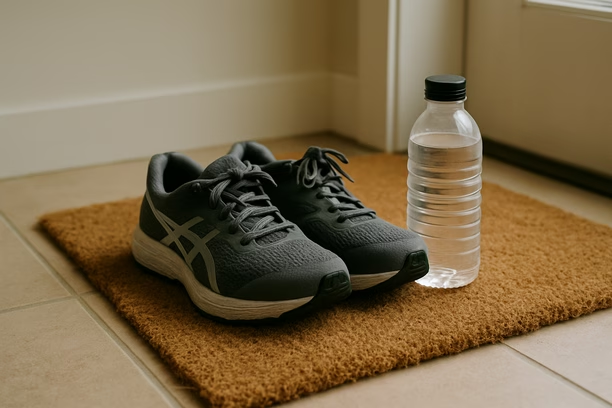
Lifestyle Choices: Lifestyle factors also play a pivotal role in men’s sexual health. Sedentary behavior, poor diet, lack of exercise, and excess alcohol consumption are linked to lower libido. Regular physical activity not only enhances overall health but also improves mood and energy levels, which can elevate sexual desire [Source: Sheen Vein & Cosmetics]. In addition, smoking and inadequate sleep can significantly undermine sexual function [Source: Medium].
Addressing these factors: For young men experiencing low libido, it may be beneficial to implement lifestyle changes such as increasing physical activity and improving dietary health, alongside seeking medical advice for possible hormonal assessments. For further insight into libido factors, consider exploring this resource.
The Role of Hormones and Nutrition
Testosterone levels and vitamin deficiencies significantly influence sexual health and libido. Testosterone, a key hormone in both men and women, plays a vital role in sexual desire and performance. Low levels of testosterone can lead to diminished libido, erectile dysfunction, and other sexual health issues. Clinical studies indicate that testosterone replacement therapy can effectively restore libido in men diagnosed with low testosterone levels, enhancing their sexual vitality [Source: Northeast Men’s Health].
Vitamin deficiencies, particularly Vitamin D, also correlate with sexual health. Vitamin D supports testosterone production and is linked to improved erectile function. A systematic review shows that adequate vitamin D levels correspond to higher testosterone levels in men, while deficiencies have been associated with erectile dysfunction [Source: SMSNA]; [Source: Oxford Academic].
Moreover, proper nutrition plays a critical role in maintaining sexual health. Consuming a balanced diet rich in whole foods, antioxidants, and healthy fats can enhance blood flow and hormone balance, both vital for a healthy libido. Certain foods promote nitric oxide production, essential for dilating blood vessels and improving erectile function. For those struggling with sexual health concerns, dietary adjustments can offer a natural approach to enhancing libido and overall sexual wellness [Source: Massive Bio]; [Source: Harris Internal Medicine].
For more insights into factors affecting sexual drive, visit our in-depth article on understanding common causes and solutions for low sex drive.
Psychological and Social Influences
Emotional health, relationship dynamics, and societal pressures significantly influence a man’s libido. Psychological factors, such as anxiety, depression, and relationship conflicts, can create barriers to sexual desire and performance. For instance, performance anxiety often arises from fear of inadequacy or underperformance, inhibiting sexual experiences and lowering libido. Research indicates that mental health issues frequently manifest in indirect ways, such as irritability or stress, rather than openly discussing emotional struggles, leading many men to suffer in silence [Source: Penile Rehabilitation Clinic].
Furthermore, societal expectations impose immense pressure on men to conform to traditional masculine roles, which can detrimentally affect their mental health and sexual well-being. Many men feel compelled to portray strength and self-reliance, often avoiding vulnerability and emotional expression. These societal norms can result in “masked depression,” where distress is expressed through aggression or irritability instead of acknowledged sadness or anxiety [Source: FHE Health].
Research on mental and emotional health indicates that men’s sexual health is intrinsically linked to their psychological well-being. Self-esteem issues, trauma, or interpersonal difficulties often interfere with intimacy and enjoyment of sexual relationships [Source: Calmerry]. As societal perceptions evolve, it is crucial for men to seek assistance and engage in conversations about mental health, allowing them to navigate their emotional landscapes and improve their sexual health [Source: Psychology Today].
Practical Solutions and Tips for Reinvigoration
To revitalize sexual desire and enhance libido, consider implementing the following actionable strategies across lifestyle changes, medical options, and natural remedies:
Lifestyle Changes
- Exercise Regularly: Engaging in regular physical activity can significantly boost libido by improving circulation, reducing stress, and enhancing body image. Aerobic and strength-training exercises have been shown to promote sexual health and function [Source: Mayo Clinic Health System].
- Prioritize Sleep: Adequate sleep is crucial for hormonal balance and overall well-being. Lack of sleep can lead to decreased libido, so aim for 7-9 hours of quality sleep each night [Source: Hartford HealthCare].
- Manage Stress: High levels of stress can negatively impact sexual desire. Practice mindfulness techniques such as yoga or meditation to help decrease anxiety and improve mood. Setting aside time for intimacy can also foster emotional connections [Source: GoodRx].
Medical Options
If lifestyle changes alone are insufficient, speak with a healthcare professional about possible medical treatments. Hormone therapy can address imbalances, particularly in cases of hormonal disorders affecting libido, such as low testosterone or estrogen levels. Medications can also assist with underlying issues like anxiety or depression, both of which can contribute to low sexual desire [Source: Cleveland Clinic].
Natural Remedies
- Dietary Adjustments: Incorporating foods known for their aphrodisiac properties, such as avocados, almonds, and dark chocolate, can enhance libido and improve blood flow [Source: Healthline].
- Supplements: Certain supplements like Ashwagandha, Fenugreek, and Ginkgo Biloba are believed to promote balance in the body’s systems associated with sexual desire. These may help enhance mood and increase energy levels, thereby improving libido [Source: The Naked Pharmacy].
- Open Communication: Address any emotional or relational factors by maintaining open dialogue with your partner. Discussing feelings and experiences related to intimacy can strengthen your bond and improve mutual sexual satisfaction [Source: USU].
Implementing these strategies can help to reinvigorate sexual desire and enhance overall sexual health. For a deeper understanding of common causes of low libido and additional solutions, check out our article on common causes and solutions for low libido.
Sources
- Androlabs – Low Sexual Desire: What are the Possible Causes
- BodyLogicMD – The 5 Hormonal Imbalance Symptoms in Men You Should Know About
- Chia Endocrinology & Wellness – Why are Men Losing Sexual Desire
- Cleveland Clinic – Low Libido (Low Sex Drive)
- FHE Health – Societal Expectations of Men & Mental Health
- GoodRx – Treatments for Low Libido
- Hartford HealthCare – Sleep and Libido
- Healthy Male – What You Need to Know About Low Sex Drive in Men
- Healthline – Conditions That Cause Low Libido
- Massive Bio – Nutrition Tips for Sexual Health Issues in Men
- Medium – 5 Ways Your Lifestyle Might be Affecting Your Sex Drive
- Northeast Men’s Health – How Low Testosterone Treatment Affects Libido & Sexual Performance
- Penile Rehabilitation Clinic – Unlocking the Mind: Psychological Factors Affecting Male Sexual Performance
- Psychology Today – Let’s Talk about Male Mental Health, Masculinity, and Sex
- Rejuvi Medical – The Link Between Hormone Imbalance and Low Libido: What You Need to Know
- Sheen Vein & Cosmetics – Low Libido in Men Under 40
- SMSNA – Do Certain Vitamins Affect a Person’s Sexual Function?
- Oxford Academic – Testosterone and Sexual Function: A Review of the Current Data
- The Naked Pharmacy – Hitting the Spot
- Ariana Psyche – Understanding Common Causes and Solutions for Low Sex Drive
- USU – Simple Lifestyle Changes to Improve Your Libido