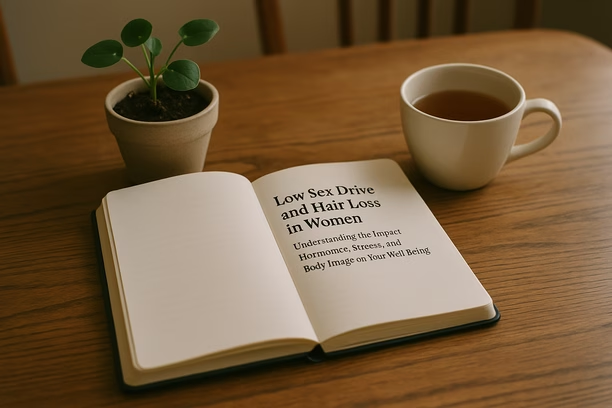
Understanding the Connection: Low Sex Drive and Hair Loss
The relationship between libido and hair health is multifaceted, grounded in both physiological and emotional components. Testosterone, a key hormone influencing libido, also plays a role in hair growth. An increase in testosterone can lead to heightened sexual desire while promoting the growth of body hair but potentially resulting in hair thinning or loss on the scalp, a condition commonly seen in androgenetic alopecia. This condition is influenced by genetic predispositions and can be exacerbated by an imbalance in hormone levels.
Conversely, hair health can significantly affect self-esteem and emotional well-being, which in turn influences libido. Hair loss or thinning can lead to anxiety and reduced confidence, potentially lowering sexual desire. The psychological effects of hair loss can be profound, leading individuals to feel less attractive or desirable, thereby affecting their sexual relationships and overall intimacy.
The Role of Hormones: Key Players in Female Sexual Health and Hair Loss
Hormones play a significant role in regulating both sex drive and hair growth, with estrogen, testosterone, and cortisol being key players in these processes.
- Estrogen is primarily known for its influence on female sexual function. It enhances libido by promoting blood flow to the vaginal area and increasing sensitivity during sexual arousal. Estrogen also contributes to hair health, with lower levels often associated with hair thinning and loss, particularly during menopause or due to hormonal imbalances. For instance, women experiencing decreased estrogen may observe changes in hair density and growth patterns as a symptom of perimenopause or menopause [Source: NCBI].
- Testosterone, although commonly associated with males, is crucial for both sexes in regulating sex drive. In males, testosterone is essential for maintaining libido and erectile function, while in females, it aids in sexual arousal and satisfaction. Like estrogen, testosterone also influences hair growth; hormonal imbalances leading to excess testosterone can result in conditions such as hirsutism in women, characterized by excessive hair growth in areas like the face and chest [Source: NCBI].
- Cortisol, known as the stress hormone, can negatively affect both sex drive and hair growth. Elevated cortisol levels, often due to chronic stress, can lead to reduced libido as well as disruptions in the hair growth cycle. High cortisol can result in conditions such as alopecia areata, an autoimmune disorder resulting in hair loss, highlighting the delicate balance hormones maintain in overall health [Source: NCBI].
Hormonal imbalances can thus have multifaceted effects on sex drive and hair growth. Conditions like polycystic ovary syndrome (PCOS) can increase testosterone levels in females, leading to both decreased sexual function and unwanted hair growth [Source: NCBI]. Proper hormonal balance is essential for maintaining both sexual health and healthy hair growth, and disruptions can signal underlying health issues that may require attention.
Stress: A Silent Enemy to Libido and Hair Health
Stress exerts a significant influence on various aspects of women’s health, notably affecting sexual desire and contributing to hair loss. Studies have shown that chronic stress can lead to hormonal imbalances, which directly impact libido. For instance, heightened levels of cortisol, a stress hormone, can reduce testosterone, a key factor in sexual desire. This interplay highlights the necessity for women experiencing decreased sexual interest to consider their stress levels as a potential contributing factor [Source: National Center for Biotechnology Information].
Moreover, stress is a known factor in hair loss. Conditions like telogen effluvium, triggered by significant stress, can cause hair follicles to enter a resting phase, leading to noticeable shedding [Source: American Academy of Dermatology]. Recognizing and addressing stress triggers is crucial in mitigating these health effects. Common stressors include work-related pressures, personal relationships, and financial concerns. Identifying these triggers often involves self-reflection or journaling to recognize patterns in mood and stress levels [Source: American Psychological Association].
To manage stress effectively, women can adopt several strategies. Techniques such as mindfulness meditation, regular physical activity, and adequate sleep are foundational in building resilience against stress. Engaging in hobbies and maintaining strong social connections also serve to buffer against stress’s impact on health [Source: Harvard Health]. These approaches not only enhance overall well-being but can also help restore sexual health and prevent hair loss associated with stress. For a deeper understanding of related issues, learn more about the impact of stimulants on sexual desire in our detailed article here.
Body Image: Its Impact on Self-Esteem and Sexual Health
Societal standards play a significant role in shaping personal perceptions of body image, which can ultimately affect sexual attraction and confidence. These standards often promote an idealized version of beauty that can lead to feelings of inadequacy among individuals who do not conform to these ideals. For many, this lack of alignment can result in diminished self-esteem, which is closely linked to sexual confidence and libido. Research has shown that individuals who feel dissatisfied with their body image may experience a decrease in sexual desire and interest, as negative self-perceptions can inhibit the ability to feel attractive or desirable in intimate situations ([Source: ScienceDirect]).
Moreover, concerns related to appearance, such as hair loss or other perceived physical imperfections, can exacerbate feelings of self-consciousness, further reducing libido. A study indicated that individuals who struggle with body image issues often report higher instances of anxiety and lower sexual satisfaction ([Source: Wiley Online Library]). Thus, societal pressures not only shape how individuals view themselves but also how they engage with and perceive their sexual relationships, creating a cycle where lowered confidence feeds into decreased sexual desire.
Addressing these concerns is crucial for maintaining healthy sexual relationships. Encouraging open discussion about body image and its effects can help dismantle internalized societal standards, fostering a more inclusive understanding of attractiveness. For more insights on factors influencing sexual drive, you can find additional information related to libido and its various determinants in other articles on our website such as this piece examining the connection between medications and libido.
Pathways to Solutions: Addressing Low Sex Drive and Hair Loss Holistically
To improve hormonal balance, manage stress effectively, and enhance body image, consider the following actionable steps:
Improve Hormonal Balance
- Nutrition: Focus on a diet rich in whole foods. Incorporate healthy fats like avocados and nuts, lean proteins, and plenty of fruits and vegetables. Foods high in omega-3 fatty acids, such as salmon and flaxseeds, can support hormone production. [Source: Healthline].
- Regular Exercise: Engage in both aerobic and strength-training exercises. Regular physical activity can help balance hormones by reducing insulin resistance and increasing hormone-sensitive lipase, facilitating fat loss and hormone regulation. [Source: NCBI].
- Sleep Hygiene: Aim for 7-9 hours of quality sleep per night. Establish a bedtime routine, limit screen time before bed, and create a restful sleeping environment to help regulate cortisol and other hormones. [Source: Sleep Foundation].
Manage Stress
- Mindfulness and Meditation: Incorporate mindfulness practices like meditation, deep breathing, or yoga into your daily routine. These techniques can lower cortisol levels and enhance emotional well-being. [Source: APA].
- Time Management: Prioritize tasks and set realistic goals to manage daily stressors. Consider using tools like calendars or apps to keep track of deadlines and activities, reducing feelings of overwhelm. [Source: Mind Tools].
- Social Support: Cultivate a supportive social network. Surround yourself with friends and family who uplift you, and don’t hesitate to seek professional support if needed. Strong social connections can act as a buffer against stress. [Source: NCBI].
Enhance Body Image
- Positive Self-talk: Challenge negative thoughts about your body. Replace them with affirmations or reminders of what you appreciate about yourself to cultivate a healthier self-image. [Source: Psychology Today].
- Dress for Confidence: Choose clothing that makes you feel good and is comfortable. When you feel good in what you wear, it can enhance your confidence and overall body image. [Source: Health].
- Limit Social Media Exposure: Reduce time spent on social media platforms that promote unrealistic body standards. Consider curating your feed to follow accounts that promote body positivity and wellness. [Source: The New York Times].
Regain Sexual Health and Confidence
- Open Communication: Discuss sexual health openly with partners to ensure both are comfortable and understanding of each other’s needs. Effective communication can enhance intimacy and confidence. [Source: Psychology Today].
- Consult a Professional: If hormonal imbalances persist, consider consulting a healthcare professional for tailored advice and possible treatment options to improve sexual health. [Source: Medical News Today].
- Focus on Intimacy: Engage in activities that promote closeness without the pressure of performance, such as cuddling or kissing, to enhance emotional and sexual connection. [Source: ScienceDirect].
Employing these strategies can empower you to regain your sexual health and confidence effectively.
Sources
- American Academy of Dermatology – Hair Loss and Stress
- APA – The Importance of Mindfulness in Stress Management
- American Psychological Association – Stress
- Harvard Health – The Power of Resilience
- Healthline – Hormone Balancing Foods
- NCBI – Hormonal Changes and Hair Loss
- NCBI – Testosterone’s Role in Women
- NCBI – Cortisol and Hair Loss
- NCBI – PCOS and Sexual Health
- NCBI – Social Support and Stress
- Medical News Today – Hormonal Imbalance
- The New York Times – Body Image and Social Media
- Psychology Today – Developing a Positive Body Image
- ScienceDirect – Body Image and Sexual Health
- ScienceDirect – Intimacy and Relationships
- Wiley Online Library – The Impact of Body Image on Sexuality
- Sleep Foundation – Better Sleep Tips
- Mind Tools – Time Management Techniques
- Ariana Psyche – Understanding the Impact of Stimulants, Stress, and Desire